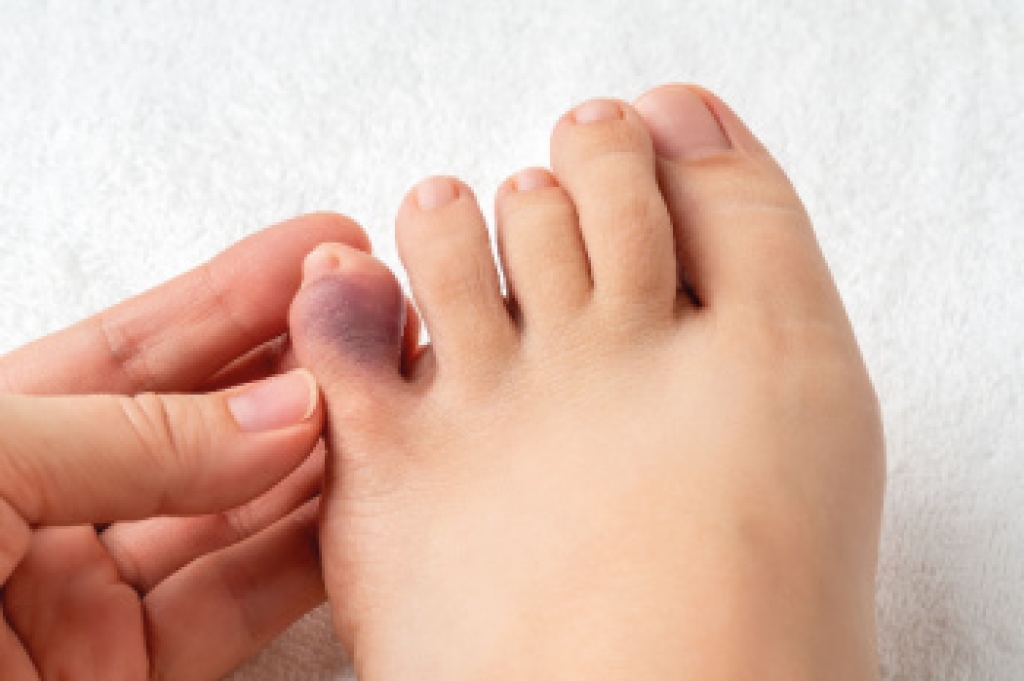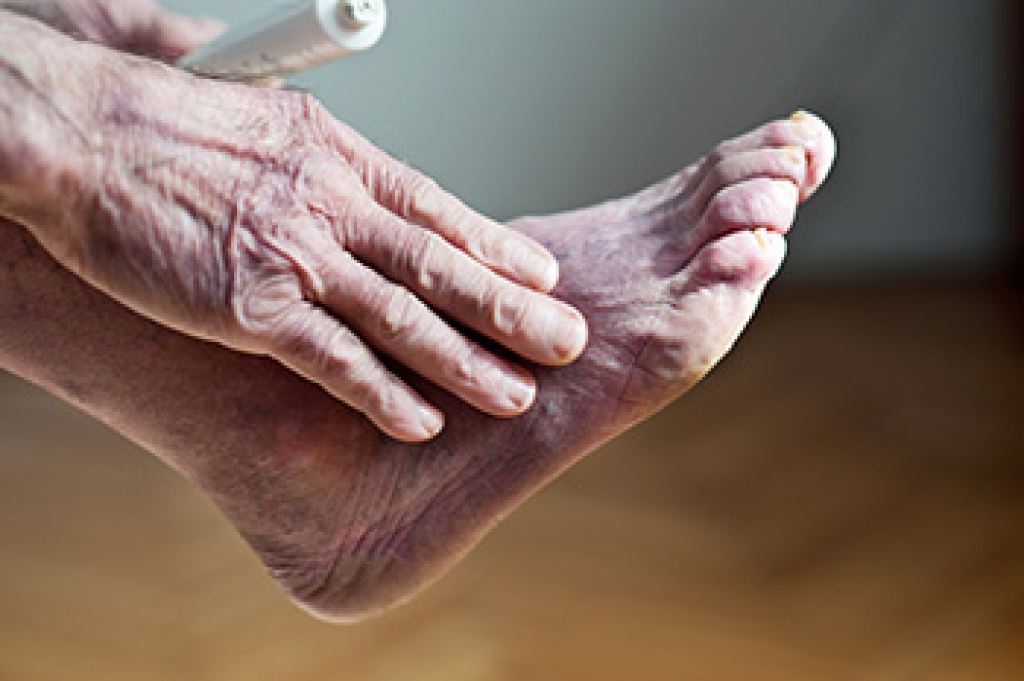
Facts About Diabetic Wound Healing

Diabetes can slow the body’s ability to heal wounds, particularly on the feet where circulation is reduced and nerve damage is often present. High blood sugar levels interfere with blood flow and damage small vessels, making it harder for oxygen and nutrients to reach injured tissue. When this happens, even a small blister or cut on the foot can turn into a deep ulcer. Nerve damage, known as neuropathy, can reduce sensation, so a person may not feel pain or notice an injury developing. Diabetic foot ulcers are prone to infection because bacteria thrive in the warm, moist environment of shoes and because immune responses are weakened. A podiatrist can evaluate circulation, remove dead tissue to promote healing, and monitor for infection or other complications. If needed, a podiatrist may recommend specialized footwear, orthotic devices, or surgery to prevent limb loss. If you have foot ulcers related to diabetes, it is suggested that you make an appointment with a podiatrist for management of this serious condition.

Wound care is an important part in dealing with diabetes. If you have diabetes and a foot wound or would like more information about wound care for diabetics, consult with Shawn Echard, DPM from Laurel Podiatry LLC. Our practitioner will assess your condition and provide you with quality foot and ankle treatment.

What Is Wound Care?

Wound care is the practice of taking proper care of a wound. This can range from the smallest to the largest of wounds. While everyone can benefit from proper wound care, it is much more important for diabetics. Diabetics often suffer from poor blood circulation which causes wounds to heal much slower than they would in a non-diabetic. 

What Is the Importance of Wound Care?

While it may not seem apparent with small ulcers on the foot, for diabetics, any size ulcer can become infected. Diabetics often also suffer from neuropathy, or nerve loss. This means they might not even feel when they have an ulcer on their foot. If the wound becomes severely infected, amputation may be necessary. Therefore, it is of the upmost importance to properly care for any and all foot wounds.

How to Care for Wounds

The best way to care for foot wounds is to prevent them. For diabetics, this means daily inspections of the feet for any signs of abnormalities or ulcers. It is also recommended to see a podiatrist several times a year for a foot inspection. If you do have an ulcer, run the wound under water to clear dirt from the wound; then apply antibiotic ointment to the wound and cover with a bandage. Bandages should be changed daily and keeping pressure off the wound is smart. It is advised to see a podiatrist, who can keep an eye on it.

If you have any questions please contact our offices located in Greensburg and Somerset, PA . We offer the newest diagnostic and treatment technologies for all your foot and ankle needs.
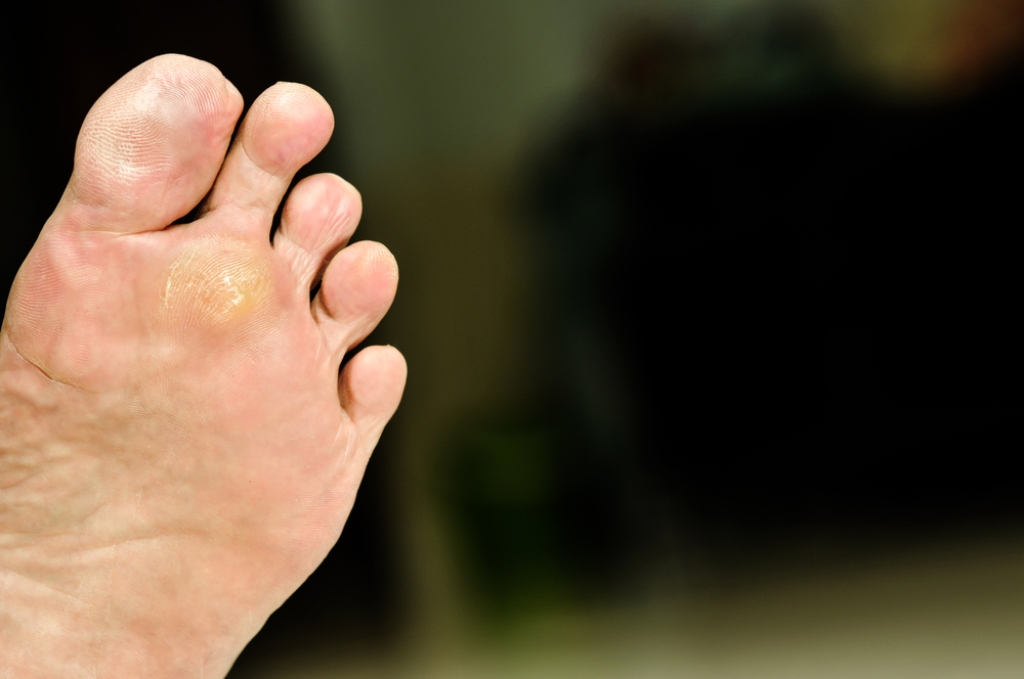
Read more about Wound Care

Rheumatoid Arthritis and Its Impact on the Feet

Rheumatoid arthritis is an autoimmune disease that causes the body to attack the thin layer of cells that cover the joints, leading to soreness, swelling, and ongoing inflammation. When it affects the feet, it can cause stiffness, pain, warmth, and difficulty walking. The exact cause is unknown, but risk factors include family history, certain hormones, and smoking, which may trigger the immune system to react in harmful ways. Over time, this condition can damage joints and change the shape of the feet. A podiatrist can help by offering supportive footwear, custom orthotics, and treatment plans that reduce pressure and improve comfort. If you have persistent foot pain related to rheumatoid arthritis, it is suggested that you are under the care of a podiatrist who can help you to manage this condition.

Because RA affects more than just your joints, including the joints in your feet and ankles, it is important to seek early diagnosis from your podiatrist if you feel like the pain in your feet might be caused by RA. For more information, contact Shawn Echard, DPM of Laurel Podiatry LLC. Our practitioner will assist you with all of your podiatric concerns.

What Is Rheumatoid Arthritis?

Rheumatoid Arthritis (RA) is an autoimmune disorder in which the body’s own immune system attacks the membranes surrounding the joints. Inflammation of the lining and eventually the destruction of the joint’s cartilage and bone occur, causing severe pain and immobility.

Rheumatoid Arthritis of the Feet

Although RA usually attacks multiple bones and joints throughout the entire body, almost 90 percent of cases result in pain in the foot or ankle area.

Symptoms

  • Swelling and pain in the feet
  • Stiffness in the feet
  • Pain on the ball or sole of feet
  • Joint shift and deformation

Diagnosis

Quick diagnosis of RA in the feet is important so that the podiatrist can treat the area effectively. Your doctor will ask you about your medical history, occupation, and lifestyle to determine the origin of the condition. Rheumatoid Factor tests help to determine if someone is affected by the disease.

If you have any questions, please feel free to contact our offices located in Greensburg and Somerset, PA . We offer the newest diagnostic and treatment technologies for all your foot care needs.

Read more about Rheumatoid Arthritis in the Feet

Kager’s Fat Pad and Its Role in Heel Pain

Kager’s fat pad is a soft, cushion-like structure located in the back of the ankle, behind the Achilles tendon. It helps reduce friction and absorb shock during movement. Fat pad syndrome occurs when this area becomes inflamed or irritated, often due to overuse, injury, or biomechanical stress. This condition can cause pain and swelling behind the heel and may affect the function of the Achilles tendon, making walking or standing uncomfortable. A podiatrist can diagnose Kager’s fat pad syndrome through imaging, recommend rest, or custom orthotics, and address any contributing tendon issues. If you have symptoms of this condition, it is suggested that you consult a podiatrist who can guide you toward effective relief and treatment solutions.

Many people suffer from bouts of heel pain. For more information, contact Shawn Echard, DPM of Laurel Podiatry LLC. Our practitioner can provide the care you need to keep you pain-free and on your feet.

Causes of Heel Pain

Heel pain is often associated with plantar fasciitis. The plantar fascia is a band of tissues that extends along the bottom of the foot. A rip or tear in this ligament can cause inflammation of the tissue.

Achilles tendonitis is another cause of heel pain. Inflammation of the Achilles tendon will cause pain from fractures and muscle tearing. Lack of flexibility is also another symptom.

Heel spurs are another cause of pain. When the tissues of the plantar fascia undergo a great deal of stress, it can lead to ligament separation from the heel bone, causing heel spurs.

Why Might Heel Pain Occur?

  • Wearing ill-fitting shoes                
  • Wearing non-supportive shoes
  • Weight change           
  • Excessive running

Treatments

Heel pain should be treated as soon as possible for immediate results. Keeping your feet in a stress-free environment will help. If you suffer from Achilles tendonitis or plantar fasciitis, applying ice will reduce the swelling. Stretching before an exercise like running will help the muscles. Using all these tips will help make heel pain a condition of the past.

If you have any questions, please feel free to contact our offices located in Greensburg and Somerset, PA . We offer the newest diagnostic and treatment technologies for all your foot care needs.

Read more about Heel Pain

Causes and Relief for Ingrown Toenails

An ingrown toenail occurs when the edge of a toenail grows into the surrounding skin, causing pain, redness, swelling, and sometimes infection. Common risk factors include wearing tight shoes, improper nail trimming, injury to the toe, or genetic predisposition. Symptoms often include tenderness along the nail edges, throbbing pain, and drainage, if an infection develops. Left untreated, ingrown toenails can worsen and interfere with daily activities such as walking or exercise. A podiatrist can provide effective treatment, from careful removal of the ingrown portion of the nail to guidance on proper nail care and footwear choices. If you are experiencing pain or signs of an infected ingrown toenail, it is strongly suggested that you promptly schedule an appointment with a podiatrist who can offer appropriate treatment solutions.

Ingrown toenails can become painful if they are not treated properly. For more information about ingrown toenails, contact Shawn Echard, DPM of Laurel Podiatry LLC. Our practitioner can provide the care you need to keep you pain-free and on your feet.

Ingrown Toenails

Ingrown toenails occur when a toenail grows sideways into the bed of the nail, causing pain, swelling, and possibly infection.

Causes

  • Bacterial infections
  • Improper nail cutting such as cutting it too short or not straight across
  • Trauma to the toe, such as stubbing, which causes the nail to grow back irregularly
  • Ill-fitting shoes that bunch the toes too close together
  • Genetic predisposition

Prevention

Wearing proper fitting shoes and using proper cutting techniques will also help decrease your risk of developing ingrown toenails.

Treatment

Ingrown toenails are a very treatable foot condition. In minor cases, soaking the affected area in salt or antibacterial soaps will not only help with the ingrown nail itself, but also help prevent any infections from occurring. In more severe cases, surgery is an option. In either case, speaking to your podiatrist about this condition will help you get a better understanding of specific treatment options that are right for you.

If you have any questions, please feel free to contact our offices located in Greensburg and Somerset, PA . We offer the newest diagnostic and treatment technologies for all your foot care needs.

Read more about Ingrown Toenails

Navigating the Discomfort of Morton’s Neuroma

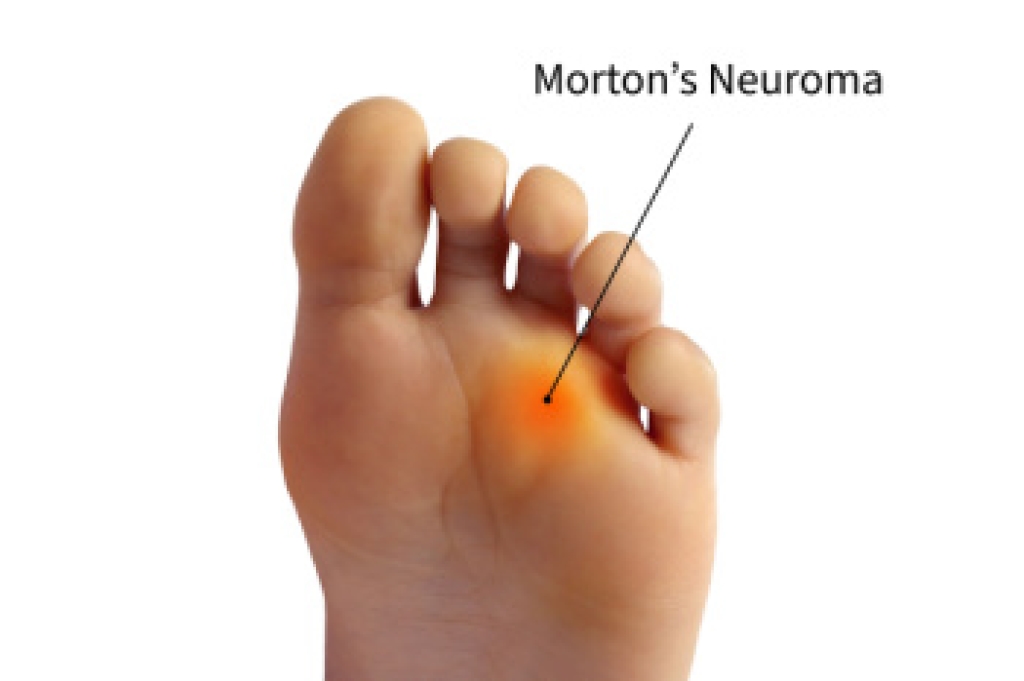
Morton’s neuroma is a painful condition that develops when the tissue around a nerve between the toes thickens, often due to pressure from tight shoes, high heels, or repetitive impact activities. It may look subtle from the outside, but many people feel a sharp, burning, or tingling sensation in the ball of the foot that can radiate into the toes. Some describe the feeling as standing on a pebble or having a fold in the sock that will not smooth out. Swelling is sometimes present, although it is not always visible. Morton’s neuroma most commonly occurs between the third and fourth toes, likely because this area experiences the greatest compression during walking. A podiatrist can diagnose the condition through a physical exam, gait evaluation, and imaging if needed. Treatment options may include footwear modifications, custom orthotics, anti-inflammatory therapies, or targeted injections to reduce nerve irritation. If you experience persistent forefoot pain or numbness, it is suggested that you make an appointment with a podiatrist.

Morton’s neuroma is a very uncomfortable condition to live with. If you think you have Morton’s neuroma, contact Shawn Echard, DPM of Laurel Podiatry LLC. Our practitioner will attend to all of your foot care needs and answer any of your related questions.  

Morton’s Neuroma

Morton's neuroma is a painful foot condition that commonly affects the areas between the second and third or third and fourth toe, although other areas of the foot are also susceptible. Morton’s neuroma is caused by an inflamed nerve in the foot that is being squeezed and aggravated by surrounding bones.

What Increases the Chances of Having Morton’s Neuroma?

  • Ill-fitting high heels or shoes that add pressure to the toe or foot
  • Jogging, running or any sport that involves constant impact to the foot
  • Flat feet, bunions, and any other foot deformities

Morton’s neuroma is a very treatable condition. Orthotics and shoe inserts can often be used to alleviate the pain on the forefront of the feet. In more severe cases, corticosteroids can also be prescribed. In order to figure out the best treatment for your neuroma, it’s recommended to seek the care of a podiatrist who can diagnose your condition and provide different treatment options.

If you have any questions, please feel free to contact our offices located in Greensburg and Somerset, PA . We offer the newest diagnostic and treatment technologies for all your foot care needs.

Read more about What is Morton's Neuroma?

Connect With Us