How Long Does It Take to Adjust to Orthotics?

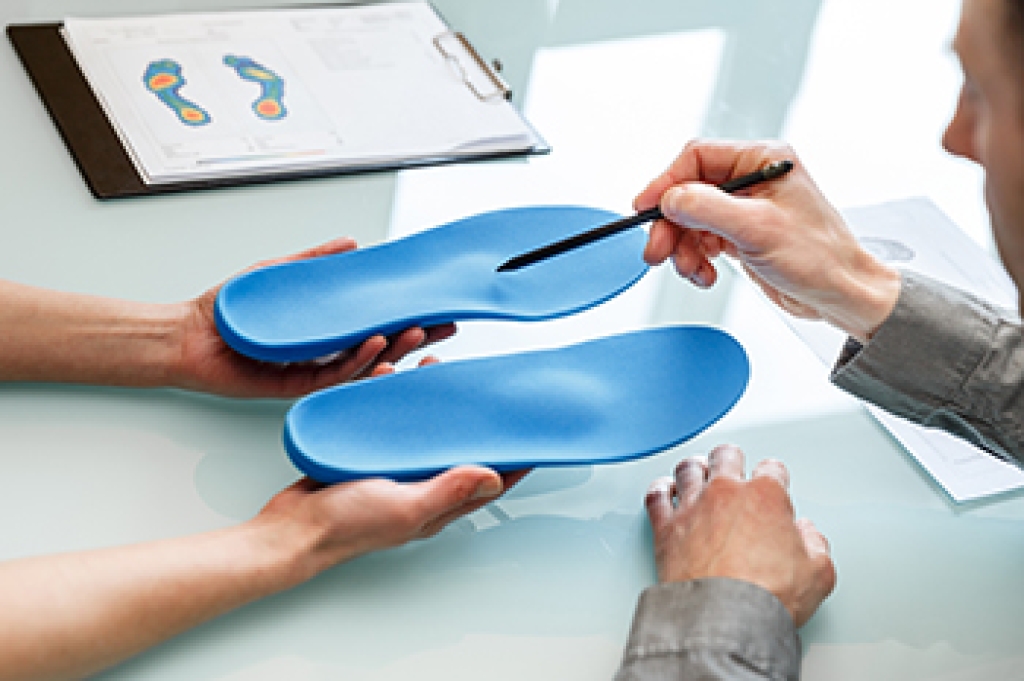
Have you ever wondered how long it takes to adapt to new orthotics? Custom-made orthotic devices offer a wide range of solutions for various foot and lower limb issues. A common concern is whether these custom orthotics might cause discomfort or foot pain. The answer is generally no, although there may be an adjustment period. Custom orthotics are designed to help, not harm. Custom foot orthotics come in various styles, tailored to individual needs. Some may be firm and corrective, while others are softer. They should never lead to blisters, increased pain, or new foot or knee problems. During the initial break-in period, one might experience mild discomfort, likened breaking in new shoes. However, this discomfort should not be excessive. The actual time required to get used to new orthotics varies from person to person. If you get custom-made orthotics and notice your foot pain returns or you are experiencing new pain, it may be time for an orthotic adjustment. Additionally, unusual wear patterns on your shoes or visible damage to the orthotic inserts may signal the need for an evaluation and potential adjustments. If you have orthotics and they do not feel comfortable, or if you are considering orthotics, it is suggested that you schedule an appointment with a podiatrist for a more in-depth discussion of the subject.

Custom orthotics play an important role in preventing and treating foot and ankle injuries by providing personalized support that aligns with the unique structure of each foot. These specially designed devices help correct biomechanical imbalances, reduce pressure on sensitive areas, and improve stability during movement. When the feet are properly supported, the risk of developing conditions such as plantar fasciitis, Achilles tendinitis, and ankle sprains can be significantly reduced. Custom orthotics also help relieve discomfort caused by having flat feet, high arches, or uneven leg length, which may contribute to recurring injuries or pain.

Foot and ankle injuries can develop gradually from repetitive strain or occur suddenly during physical activity. Without proper treatment, these injuries can affect mobility and overall quality of life. Orthotics work to redistribute weight evenly across the foot, allowing joints and muscles to function more efficiently. This not only supports recovery from injury but can also prevent future problems by promoting better posture and alignment throughout the lower body.

Unlike over-the-counter inserts, custom orthotics are designed based on a detailed evaluation of each patient’s foot structure, gait, and medical needs. Podiatrists use advanced imaging and diagnostic tools to create orthotics that fit precisely and provide targeted correction. Whether used in everyday footwear or athletic shoes, custom orthotics can improve comfort, enhance performance, and support long-term foot health.

If you are experiencing foot or ankle pain or have sustained an injury that has not improved with rest, it is suggested that you schedule an appointment with a podiatrist. Call our office for more information or to make an appointment.

If you have any questions, please feel free to contact our offices located in Greensburg and Somerset, PA

Read more about Investing in Custom Orthotics Means Investing in Foot Health

Treatment of Morton’s Neuroma

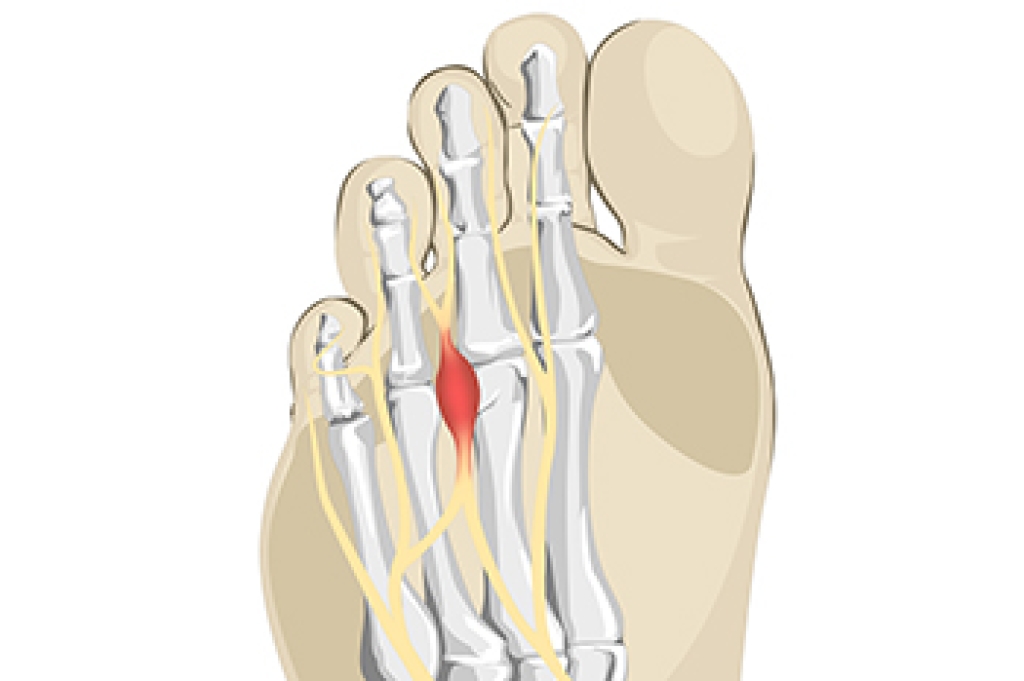
A podiatrist manages Morton's neuroma, which is a painful condition involving thickened nerve tissue between the toes. Morton's neuroma typically feels like a sharp, burning pain in the ball of the foot, often with a sensation that is likened to a small rock or pebble inside the shoe under the forefoot. It may also feel like a stinging, burning, or numbing sensation in the toes adjacent to the neuroma. The discomfort from Morton's neuroma is generally felt between the third and fourth toes, but can also occur in other parts of the foot. Activities that involve pressure on the forefoot, such as walking or running, can exacerbate the pain. Initial treatments may include wearing proper footwear with a wide toe box and low heels, custom orthotic devices to alleviate pressure, and padding techniques. If these conservative measures fail, the podiatrist may administer corticosteroid injections to reduce inflammation and pain. In cases where non-surgical treatments do not provide relief, the podiatrist may recommend surgery, which involves either removing the affected nerve or releasing the tissue surrounding it to relieve pressure. If you believe you have Morton's neuroma, it is suggested that you make an appointment with a podiatrist who can begin appropriate and effective treatment.

Morton’s neuroma is a very uncomfortable condition to live with. If you think you have Morton’s neuroma, contact Shawn Echard, DPM of Laurel Podiatry LLC. Our practitioner will attend to all of your foot care needs and answer any of your related questions.  

Morton’s Neuroma

Morton's neuroma is a painful foot condition that commonly affects the areas between the second and third or third and fourth toe, although other areas of the foot are also susceptible. Morton’s neuroma is caused by an inflamed nerve in the foot that is being squeezed and aggravated by surrounding bones.

What Increases the Chances of Having Morton’s Neuroma?

  • Ill-fitting high heels or shoes that add pressure to the toe or foot
  • Jogging, running or any sport that involves constant impact to the foot
  • Flat feet, bunions, and any other foot deformities

Morton’s neuroma is a very treatable condition. Orthotics and shoe inserts can often be used to alleviate the pain on the forefront of the feet. In more severe cases, corticosteroids can also be prescribed. In order to figure out the best treatment for your neuroma, it’s recommended to seek the care of a podiatrist who can diagnose your condition and provide different treatment options.

If you have any questions, please feel free to contact our offices located in Greensburg and Somerset, PA . We offer the newest diagnostic and treatment technologies for all your foot care needs.
Read more about Morton's Neuroma

Common Causes of Foot Pain in Seniors

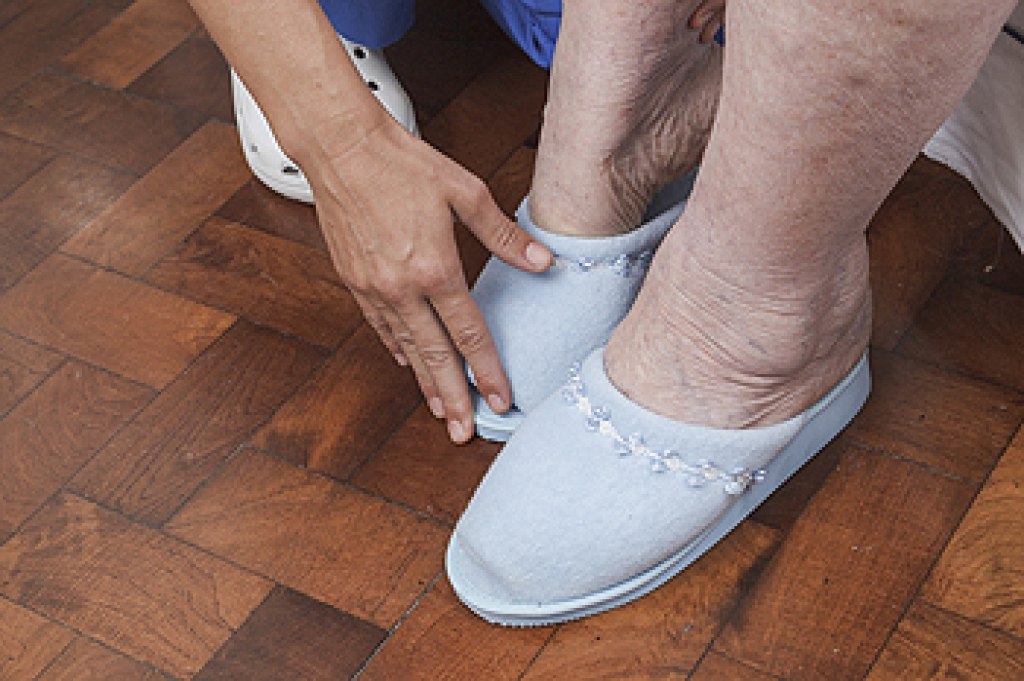
As people age, foot pain becomes increasingly prevalent, affecting one-quarter of those aged 45 or older. Primarily concentrated in the forefoot and toes, this discomfort impedes mobility and balance, raising the risk of falls. Common foot problems among seniors stem from overuse and are influenced by factors such as foot structure, activity level, body weight, and footwear choices. Plantar fasciitis, an inflammation of the ligament that runs from heel to ball of the foot, often results in pain in the heel and arch. Osteoarthritis, a degenerative disease attacking joint cartilage and bone, often targets the ankle, the middle of the foot, and the big toe. Bunions, or hallux valgus, painful bony formations on the big toe joint, are influenced by heredity and can be worsened by years of wearing ill-fitting shoes. Hammer toes, deformity of the smaller toes, often result from tight shoes or inadequate support, especially in individuals with flat feet. Seniors may also experience foot pain due to a decrease in padding on the ball and heel of the foot, as collagen diminishes with age. Early intervention and proper care can alleviate discomfort, improve mobility, and reduce fall risks. Your feet are your foundation, and caring for them ensures a healthier and more active lifestyle as you age.  If persistent foot pain is a concern, it is suggested that you make an appointment with a podiatrist.

Proper foot care is something many older adults forget to consider. If you have any concerns about your feet and ankles, contact Shawn Echard, DPM from Laurel Podiatry LLC. Our practitioner can provide the care you need to keep you pain-free and on your feet.

The Elderly and Their Feet

As we age we start to notice many changes in our body, but the elder population may not notice them right away. Medical conditions may prevent the elderly to take notice of their foot health right away. Poor vision is a lead contributor to not taking action for the elderly.

Common Conditions 

  • Neuropathy – can reduce feeling in the feet and can hide many life-threatening medical conditions.
  • Reduced flexibility – prevents the ability of proper toenail trimming, and foot cleaning. If left untreated, it may lead to further medical issues.
  • Foot sores – amongst the older population can be serious before they are discovered. Some of the problematic conditions they may face are:
  • Gouging toenails affecting nearby toe
  • Shoes that don’t fit properly
  • Pressure sores
  • Loss of circulation in legs & feet
  • Edema & swelling of feet and ankles

Susceptible Infections

Diabetes and poor circulation can cause general loss of sensitivity over the years, turning a simple cut into a serious issue.

If you have any questions, please feel free to contact our offices located in Greensburg and Somerset, PA . We offer the newest diagnostic and treatment technologies for all your foot care needs.
Read more about Elderly Foot Care

Custom Orthotics For Outdoor Activity

Embrace the great outdoors with confidence and comfort! Whether you're hiking, jogging, or exploring nature, Custom Orthotics are your perfect companion. Tailored to your foot's unique needs, they provide stability on uneven terrains and cushioning for those longer adventures. Don't let foot discomfort limit your outdoor experiences. With Custom Orthotics, every step is supported and secure. Call today to schedule an appointment.

Different Types of Diabetic Foot Ulcers

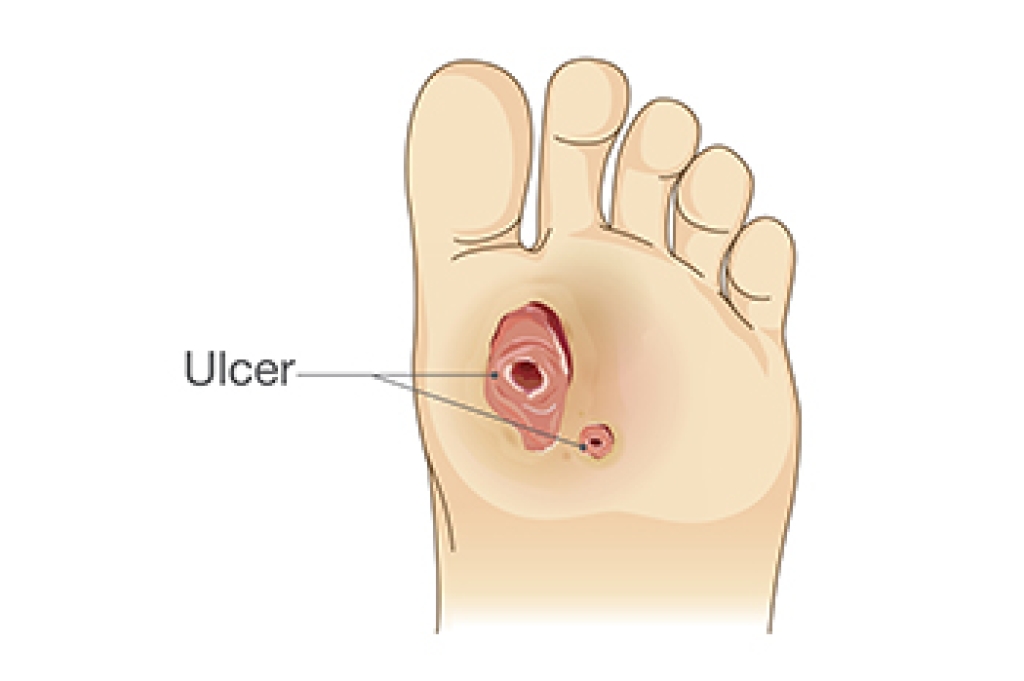
Diabetic foot ulcers, a major complication for individuals with diabetes, vary based on depth, infection, and location. They are primarily categorized into neuropathic, ischemic, and neuroischemic ulcers. Neuropathic ulcers occur due to nerve damage, resulting in loss of sensation in the feet. Patients may not feel minor injuries, leading to ulcers, generally located under the foot's high-pressure areas. Ischemic ulcers stem from poor blood circulation, often associated with peripheral arterial disease. They can appear anywhere on the foot but are typically found in areas with poor blood supply. Neuroischemic ulcers combine the features of both neuropathic and ischemic ulcers, presenting a blend of circulation issues and nerve damage. These are the most common and challenging to treat, as they are prone to infection and slow healing. If you are diabetic and have foot problems, it is strongly suggested that you schedule regular appointments with a podiatrist to have your feet properly examined and ensure that any brewing issues, such as foot ulcers, are treated promptly.

Diabetic foot care is important in preventing foot ailments such as ulcers. If you are suffering from diabetes or have any other concerns about your feet, contact Shawn Echard, DPM from Laurel Podiatry LLC. Our practitioner can provide the care you need to keep you pain-free and on your feet.

Diabetic Foot Care

Diabetes affects millions of people every year. The condition can damage blood vessels in many parts of the body, especially the feet. Because of this, taking care of your feet is essential if you have diabetes, and having a podiatrist help monitor your foot health is highly recommended.

The Importance of Caring for Your Feet

  • Routinely inspect your feet for bruises or sores.
  • Wear socks that fit your feet comfortably.
  • Wear comfortable shoes that provide adequate support.

Patients with diabetes should have their doctor monitor their blood levels, as blood sugar levels play such a huge role in diabetic care. Monitoring these levels on a regular basis is highly advised.

It is always best to inform your healthcare professional of any concerns you may have regarding your feet, especially for diabetic patients. Early treatment and routine foot examinations are keys to maintaining proper health, especially because severe complications can arise if proper treatment is not applied.

If you have any questions, please feel free to contact our offices located in Greensburg and Somerset, PA . We offer the newest diagnostic and treatment technologies for all your foot care needs.

Read more about Diabetic Foot Care

Connect With Us