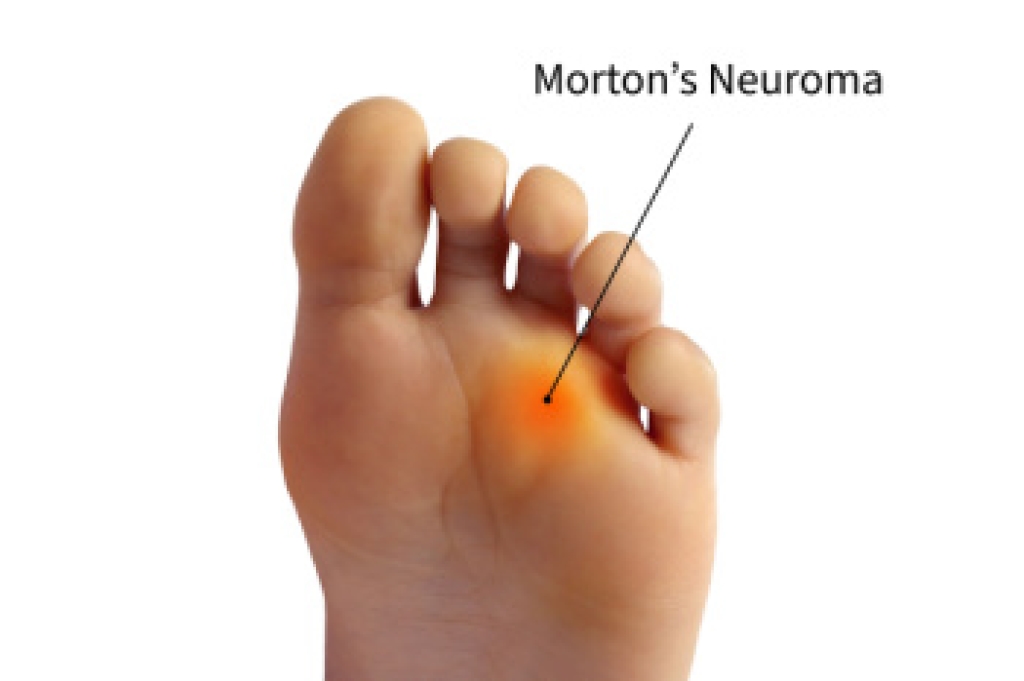
Navigating the Discomfort of Morton’s Neuroma

Morton’s neuroma is a painful condition that develops when the tissue around a nerve between the toes thickens, often due to pressure from tight shoes, high heels, or repetitive impact activities. It may look subtle from the outside, but many people feel a sharp, burning, or tingling sensation in the ball of the foot that can radiate into the toes. Some describe the feeling as standing on a pebble or having a fold in the sock that will not smooth out. Swelling is sometimes present, although it is not always visible. Morton’s neuroma most commonly occurs between the third and fourth toes, likely because this area experiences the greatest compression during walking. A podiatrist can diagnose the condition through a physical exam, gait evaluation, and imaging if needed. Treatment options may include footwear modifications, custom orthotics, anti-inflammatory therapies, or targeted injections to reduce nerve irritation. If you experience persistent forefoot pain or numbness, it is suggested that you make an appointment with a podiatrist.

Morton’s neuroma is a very uncomfortable condition to live with. If you think you have Morton’s neuroma, contact Shawn Echard, DPM of Laurel Podiatry LLC. Our practitioner will attend to all of your foot care needs and answer any of your related questions.  

Morton’s Neuroma

Morton's neuroma is a painful foot condition that commonly affects the areas between the second and third or third and fourth toe, although other areas of the foot are also susceptible. Morton’s neuroma is caused by an inflamed nerve in the foot that is being squeezed and aggravated by surrounding bones.

What Increases the Chances of Having Morton’s Neuroma?

  • Ill-fitting high heels or shoes that add pressure to the toe or foot
  • Jogging, running or any sport that involves constant impact to the foot
  • Flat feet, bunions, and any other foot deformities

Morton’s neuroma is a very treatable condition. Orthotics and shoe inserts can often be used to alleviate the pain on the forefront of the feet. In more severe cases, corticosteroids can also be prescribed. In order to figure out the best treatment for your neuroma, it’s recommended to seek the care of a podiatrist who can diagnose your condition and provide different treatment options.

If you have any questions, please feel free to contact our offices located in Greensburg and Somerset, PA . We offer the newest diagnostic and treatment technologies for all your foot care needs.

Read more about What is Morton's Neuroma?

Heel Pain in the Morning?

Heel pain can negatively affect your day-to-day life. Simple activities like walking can become incredibly uncomfortable or painful due to heel pain.

Don’t live with heel pain and get treated.

Causes of Red Feet in Elderly People

Red feet in older adults can signal underlying health issues that need attention. Peripheral artery disease can reduce blood flow, while venous insufficiency causes blood to pool in the legs, both leading to discoloration and swelling. Diabetes may contribute to poor circulation and nerve damage, increasing the risk of infections. Additionally, fungal infections can also cause redness, along with itching, and irritation. Certain medications may trigger changes in skin color as a side effect. A podiatrist can perform a thorough evaluation, provide treatments, and create a care plan to address these issues and prevent complications. If you notice any changes in your feet, including redness, it is suggested that you consult a podiatrist who can offer you an accurate diagnosis and management tips.

If you need your feet checked, contact Shawn Echard, DPM of Laurel Podiatry LLC. Our practitioner will attend to all of your foot and ankle needs and provide you with quality treatment.

Geriatrics and Podiatry
When people age, some common issues that may occur are bone density loss, dry skin, poor circulation, and rough brittle nails. These issues may also affect your foot health if the necessary steps are not taken to alleviate the problems.

It is important to take care of your feet because feet that are injured or diseased can affect your overall health. Having painful feet hinders your ability to do daily activities or may decrease your willingness to do the things that you need to do.

Visiting Your Geriatrician
As we age, health problems become more likely, so it is essential to visit your doctor for check-ups to ensure that you are doing the best you can to take care of your health. It is recommended to check your feet frequently for any possible cuts, bruises, swelling, corns or any other irregularities. 

Taking Care of Elderly Feet
Cracked or dry feet can be treated by applying moisturizer often. It is also important not to wear old socks because the older the sock is, the higher the possibility there will be that there is bacteria there. Wear fresh socks and make sure they fit properly.

Proper foot health means that you can have a more active lifestyle and you will not be bogged down by pain. Foot health also leads to good circulation, which is paramount for overall health.

If you have any questions, please feel free to contact our offices located in Greensburg and Somerset, PA . We offer the newest diagnostic and treatment technologies for all your foot care needs.
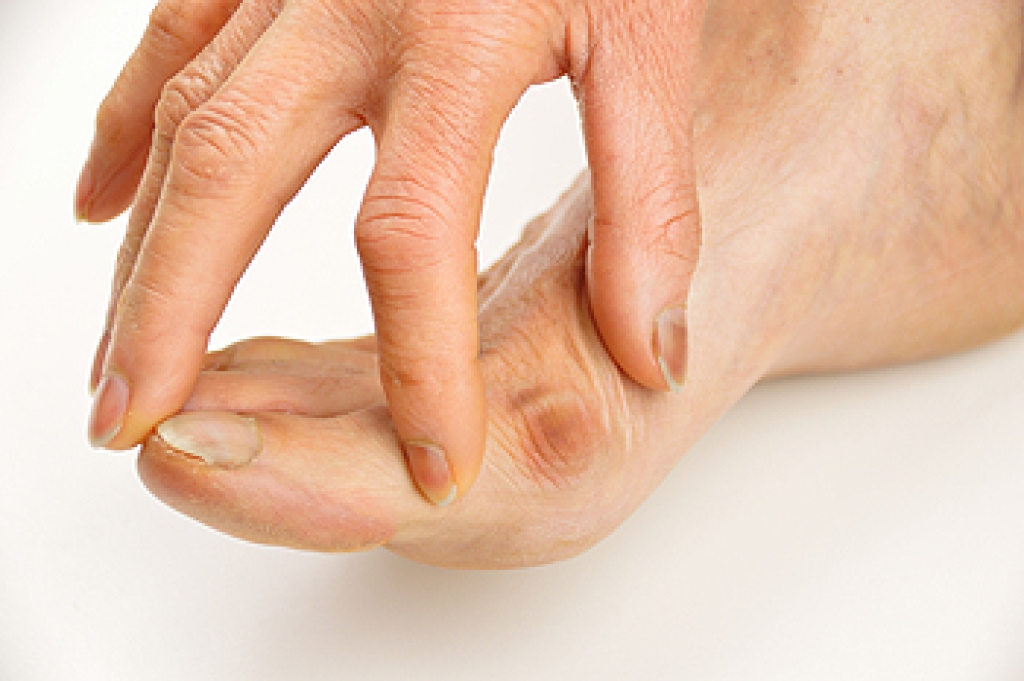
Read more about Geriatrics and Podiatry

Understanding Bunions

Bunions are characterized by a noticeable bump on the side of the big toe, resulting from an abnormality in the foot bones that causes the big toe to lean toward the second toe instead of remaining straight. While some bunions may initially be painless, over time they can lead to toe crowding and discomfort, potentially causing permanent deformity. Genetics play a significant role in the development of bunions, as they are often associated with faulty foot structure inherited from family members. Other contributing factors include flat feet, excessively flexible ligaments, and abnormal bone structure. Symptoms of a bunion may include red and inflamed skin, thickened skin on the underside of the big toe, calluses on the second toe, foot pain, and limited flexibility in the big toe. If you have a bunion with persistent foot pain, decreased flexibility, and difficulty finding comfortable shoes, it is suggested that you make an appointment with a podiatrist who can assess the severity of the bunion and provide treatment options.

If you are suffering from bunions, contact Shawn Echard, DPM of Laurel Podiatry LLC. Our practitioner can provide the care you need to keep you pain-free and on your feet.

What Is a Bunion?

A bunion is formed of swollen tissue or an enlargement of boney growth, usually located at the base joint of the toe that connects to the foot. The swelling occurs due to the bones in the big toe shifting inward, which impacts the other toes of the foot. This causes the area around the base of the big toe to become inflamed and painful.

Why Do Bunions Form?

Genetics – Susceptibility to bunions are often hereditary

Stress on the feet – Poorly fitted and uncomfortable footwear that places stress on feet, such as heels, can worsen existing bunions

How Are Bunions Diagnosed?

Doctors often perform two tests – blood tests and x-rays – when trying to diagnose bunions, especially in the early stages of development. Blood tests help determine if the foot pain is being caused by something else, such as arthritis, while x-rays provide a clear picture of your bone structure to your doctor.

How Are Bunions Treated?

  • Refrain from wearing heels or similar shoes that cause discomfort
  • Select wider shoes that can provide more comfort and reduce pain
  • Anti-inflammatory and pain management drugs
  • Orthotics or foot inserts
  • Surgery

If you have any questions, please feel free to contact our offices located in Greensburg and Somerset, PA . We offer the newest diagnostic and treatment technologies for all your foot care needs.
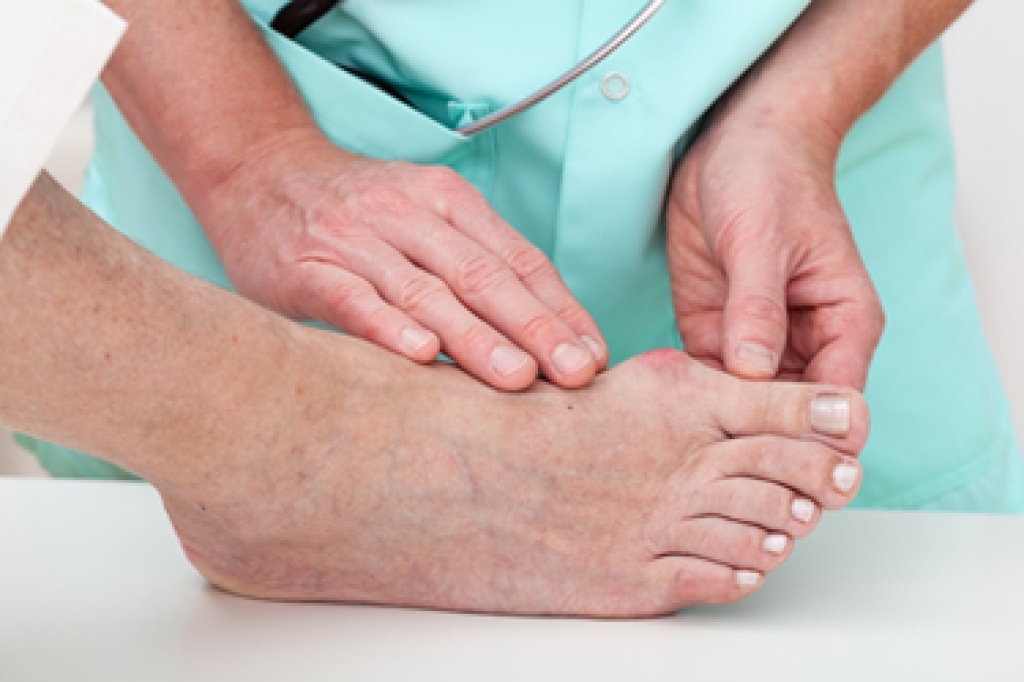
Read more about Bunions

Different Forms of Gout

Gout results from a buildup of uric acid in the body and most commonly affects the big toe. Noticeable symptoms of gout are an intense burning pain, along with swelling and redness.  It is also possible to have a buildup of uric acid, but experience no symptoms. This form of gout is called asymptomatic gout. Additionally, there are acute gout symptoms, which can last for three to 10 days, but are not present outside of gout attacks. If gout goes untreated, it can lead to chronic gout, which is much harder to manage. Chronic gout can cause hard lumps to form in joints and tissues surrounding them. These lumps can cause permanent damage. If you think you are suffering from gout, then it is suggested that you speak with a podiatrist for help in managing this condition.

Gout is a painful condition that can be treated. If you are seeking treatment, contact Shawn Echard, DPM from Laurel Podiatry LLC. Our practitioner will treat your foot and ankle needs.

What Is Gout?

Gout is a form of arthritis that is characterized by sudden, severe attacks of pain, redness, and tenderness in the joints. The condition usually affects the joint at the base of the big toe. A gout attack can occur at any random time, such as the middle of the night while you are asleep.

Symptoms

  • Intense Joint Pain - Usually around the large joint of your big toe, and it most severe within the first four to twelve hours
  • Lingering Discomfort - Joint discomfort may last from a few days to a few weeks
  • Inflammation and Redness -Affected joints may become swollen, tender, warm and red
  • Limited Range of Motion - May experience a decrease in joint mobility

Risk Factors

  • Genetics - If family members have gout, you’re more likely to have it
  • Medications - Diuretic medications can raise uric acid levels
  • Gender/Age - Gout is more common in men until the age of 60. It is believed that estrogen protects women until that point
  • Diet - Eating red meat and shellfish increases your risk
  • Alcohol - Having more than two alcoholic drinks per day increases your risk
  • Obesity - Obese people are at a higher risk for gout

Prior to visiting your podiatrist to receive treatment for gout, there are a few things you should do beforehand. If you have gout you should write down your symptoms--including when they started and how often you experience them, important medical information you may have, and any questions you may have. Writing down these three things will help your podiatrist in assessing your specific situation so that he or she may provide the best route of treatment for you.

If you have any questions, please feel free to contact our offices located in Greensburg and Somerset, PA . We offer the newest diagnostic and treatment technologies for all your foot care needs.

Read more about Gout

Connect With Us