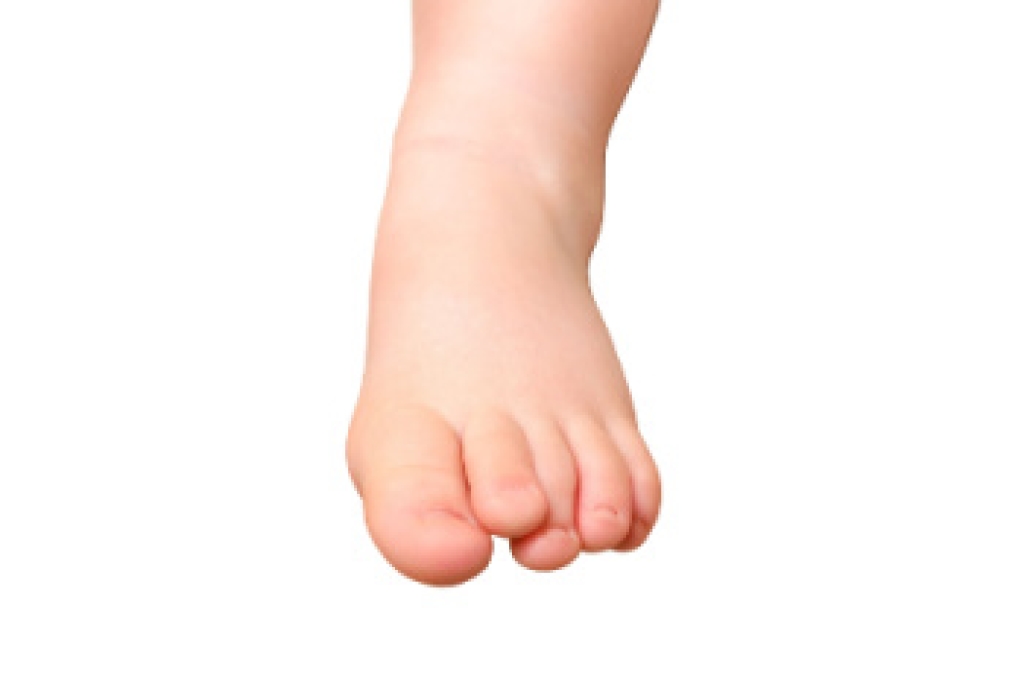
Congenital foot problems are abnormalities in foot structure or alignment that develop before birth. These conditions may affect how a child's feet look, move, or support body weight. Some abnormalities are noticeable immediately after birth, while others become more apparent as children begin standing and walking. One common congenital foot problem is clubfoot, which causes the foot to turn inward and downward. Another is metatarsus adductus, where the front portion of the foot curves inward. Congenital vertical talus is a less common deformity that creates a rigid, unusually rounded sole. These conditions vary in severity and may affect one or both feet. Genetic factors and developmental changes during pregnancy may contribute to certain foot abnormalities. Understanding these differences is important because some conditions improve naturally, while others require early treatment to support healthy foot development.
The effects of congenital foot problems depend on the type of deformity and how severely the foot is affected. Children with mild, flexible abnormalities may experience few difficulties as they grow. However, more serious deformities may interfere with standing, walking, or maintaining balance. Clubfoot involves changes in the position of the bones and surrounding soft tissues, which may limit normal foot movement. Without appropriate treatment, the child may have difficulty placing the foot flat against the ground. Metatarsus adductus often improves during infancy, particularly when the foot remains flexible. More rigid abnormalities may persist and require additional care. Certain congenital foot problems may also be associated with underlying neurological or developmental conditions. Early identification helps determine whether the foot is developing normally and whether treatment is necessary. Recognizing these differences supports appropriate decisions during important stages of childhood growth.
Podiatric care focuses on evaluating foot structure, alignment, and movement in children with congenital foot abnormalities. A podiatrist examines the position of the feet, checks joint flexibility, and reviews the child's developmental history. This evaluation helps determine the severity of the deformity and identify appropriate treatment options. Depending on the condition, treatment may involve monitoring foot development, specialized casting, or supportive bracing. Clubfoot often requires a series of casts to gradually correct alignment, followed by bracing to maintain the improvement. More complex abnormalities may require surgical correction when other approaches are insufficient. Treatment plans depend on the child's age and specific foot structure. If your child has signs of a congenital foot problem, it is suggested that you consult a podiatrist for an evaluation and appropriate treatment options.
Congenital foot problems require immediate attention to avoid future complications. If you have any concerns, contact Shawn Echard, DPM of Laurel Podiatry LLC. Our practitioner can provide the care you need to keep you pain-free and on your feet.
Congenital foot problems are deformities affecting the feet, toes, and/or ankles that children are born with. Some of these conditions have a genetic cause while others just happen. Some specific foot ailments that children may be born with include clubfeet, polydactyly/macrodactyly, and cleft foot. There are several other foot anomalies that can occur congenitally. What all of these conditions have in common is that a child may experience difficulty walking or performing everyday activities, as well as trouble finding footwear that fits their foot deformity. Some of these conditions are more serious than others. Consulting with a podiatrist as early as possible will help in properly diagnosing a child’s foot condition while getting the necessary treatment underway.
What are Causes of Congenital Foot Problem?
A congenital foot problem is one that happens to a child at birth. These conditions can be caused by a genetic predisposition, developmental or positional abnormalities during gestation, or with no known cause.
What are Symptoms of Congenital Foot Problems?
Symptoms vary by the congenital condition. Symptoms may consist of the following:
- Clubfoot, where tendons are shortened, bones are shaped differently, and the Achilles tendon is tight, causing the foot to point in and down. It is also possible for the soles of the feet to face each other.
- Polydactyly, which usually consists of a nubbin or small lump of tissue without a bone, a toe that is partially formed but has no joints, or an extra toe.
- Vertical talus, where the talus bone forms in the wrong position causing other bones in the foot to line up improperly, the front of the foot to point up, and the bottom of the foot to stiffen, with no arch, and to curve out.
- Tarsal coalition, when there is an abnormal connection of two or more bones in the foot leading to severe, rigid flatfoot.
- Cleft foot, where there are missing toes, a V-shaped cleft, and other anatomical differences.
- Macrodactyly, when the toes are abnormally large due to overgrowth of the underlying bone or soft tissue.
Treatment and Prevention
While there is nothing one can do to prevent congenital foot problems, raising awareness and receiving neonatal screenings are important. Early detection by taking your child to a podiatrist leads to the best outcome possible.
If you have any questions, please feel free to contact our offices located in Greensburg and Somerset, PA . We offer the newest diagnostic and treatment technologies for all your foot care needs.
