Now available an extra day in Greensburg

Comparing Sprains and Strains in the Feet

Sprains and strains are common soft tissue injuries in the foot, but they affect different structures. A sprain occurs when a ligament is stretched or torn. Ligaments are strong bands of tissue that connect bones and help stabilize joints, such as the ankle. A strain involves a muscle or a tendon, which connects to bones and helps create movement. Strains may develop from sudden movements, heavy loading, or repeated stress while walking, running, or playing sports. Both injuries may cause pain, swelling, bruising, weakness, and difficulty moving the foot or bearing weight. Because these injuries can resemble fractures or other foot problems, a podiatrist performs a careful exam and may order imaging to confirm the diagnosis. This is followed by formulating a treatment plan that protects stability and long-term function as the injury heals. If you have injured your foot, it is suggested that you make an appointment with a podiatrist for an exam, diagnosis, and treatment.

Foot Pain

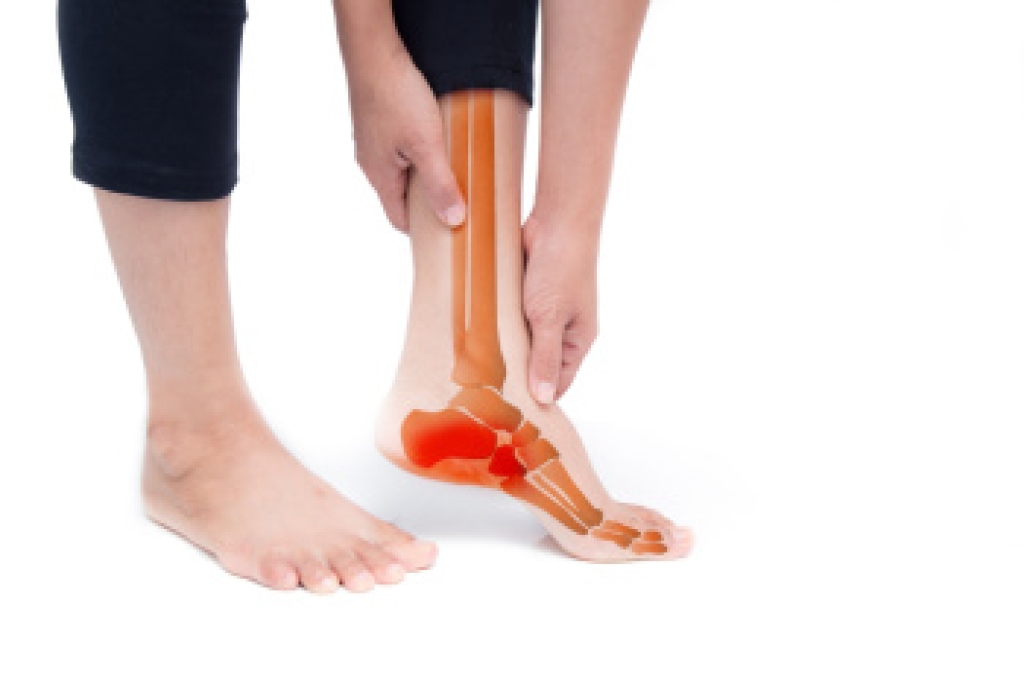
Foot pain can be extremely painful and debilitating. If you have a foot pain, consult with Shawn Echard, DPM from Laurel Podiatry LLC. Our practitioner will assess your condition and provide you with quality foot and ankle treatment.

Causes

Foot pain is a very broad condition that could be caused by one or more ailments. The most common include:

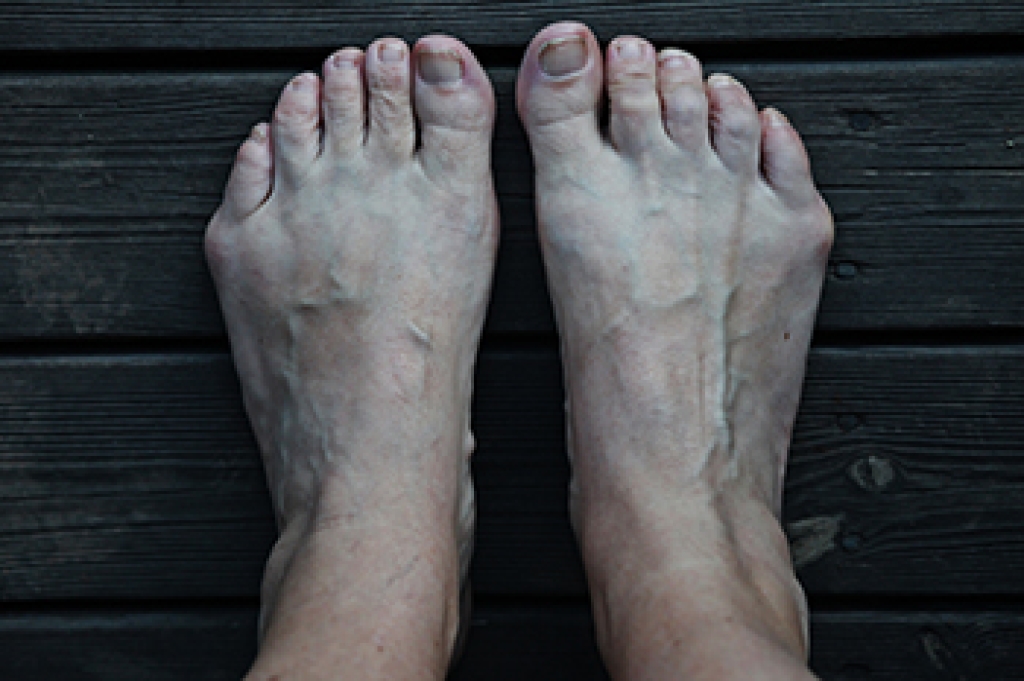
  • Bunions
  • Hammertoes
  • Plantar Fasciitis
  • Bone Spurs
  • Corns
  • Tarsal Tunnel Syndrome
  • Ingrown Toenails
  • Arthritis (such as Gout, Rheumatoid, and Osteoarthritis)
  • Flat Feet
  • Injury (from stress fractures, broken toe, foot, ankle, Achilles tendon ruptures, and sprains)
  • And more

Diagnosis

To figure out the cause of foot pain, podiatrists utilize several different methods. This can range from simple visual inspections and sensation tests to X-rays and MRI scans. Prior medical history, family medical history, and any recent physical traumatic events will all be taken into consideration for a proper diagnosis.

Treatment

Treatment depends upon the cause of the foot pain. Whether it is resting, staying off the foot, or having surgery; podiatrists have a number of treatment options available for foot pain.

If you have any questions, please feel free to contact our offices located in Greensburg and Somerset, PA . We offer the newest diagnostic and treatment technologies for all your foot care needs.

Read more about Foot Pain

Achilles Tendon Injuries in Basketball Players

Achilles tendon injuries are a common concern for basketball players because the sport requires frequent jumping, rapid direction changes, and explosive movements. The Achilles tendon connects the calf muscles to the heel bone and plays an essential role in running and jumping. Repeated strain and sudden force can lead to inflammation or tearing of this tendon. Causes include overuse, tight calf muscles, inadequate stretching, and wearing improper footwear. Symptoms often include pain along the back of the heel, stiffness, swelling, and difficulty pushing off the foot during movement. These injuries can significantly decrease athletic performance and limit participation in sports. A podiatrist can evaluate tendon health, recommend supportive treatment, and guide recovery strategies. If you have persistent heel or tendon pain, it is suggested that you consult a podiatrist for appropriate relief and treatment solutions.

Achilles tendon injuries need immediate attention to avoid future complications. If you have any concerns, contact Shawn Echard, DPM of Laurel Podiatry LLC. Our practitioner can provide the care you need to keep you pain-free and on your feet.

What Is the Achilles Tendon?

The Achilles tendon is a tendon that connects the lower leg muscles and calf to the heel of the foot. It is the strongest tendon in the human body and is essential for making movement possible. Because this tendon is such an integral part of the body, any injuries to it can create immense difficulties and should immediately be presented to a doctor.

What Are the Symptoms of an Achilles Tendon Injury?

There are various types of injuries that can affect the Achilles tendon. The two most common injuries are Achilles tendinitis and ruptures of the tendon.

Achilles Tendinitis Symptoms

  • Inflammation
  • Dull to severe pain
  • Increased blood flow to the tendon
  • Thickening of the tendon

Rupture Symptoms

  • Extreme pain and swelling in the foot
  • Total immobility

Treatment and Prevention

Achilles tendon injuries are diagnosed by a thorough physical evaluation, which can include an MRI. Treatment involves rest, physical therapy, and in some cases, surgery. However, various preventative measures can be taken to avoid these injuries, such as:

  • Thorough stretching of the tendon before and after exercise
  • Strengthening exercises like calf raises, squats, leg curls, leg extensions, leg raises, lunges, and leg presses

If you have any questions please feel free to contact our offices located in Greensburg and Somerset, PA . We offer the newest diagnostic tools and technology to treat your foot and ankle needs.

Read more about What are Achilles Tendon Injuries

Symptoms of Morton’s Neuroma

Morton’s neuroma is a condition in which the nerve between the metatarsal bones becomes thickened from repeated compression and irritation. It most often develops between the third and fourth toes and is commonly seen in individuals who wear narrow shoes or participate in high impact activities. Rather than visible swelling, the primary complaint is nerve-related pain. Patients frequently describe electric, shooting discomfort in the ball of the foot, along with tingling or numbness in the toes. Some feel as though their sock is bunched up or that they are stepping on a small object. Symptoms may worsen with prolonged walking and improve when shoes are removed. A podiatrist can identify the affected area through examination and specific pressure testing, and imaging may be used to confirm the diagnosis. Treatment may include footwear changes, custom orthotics, anti-inflammatory care, or injections to calm the nerve. If you suspect you may have Morton’s neuroma, it is suggested that you make an appointment with a podiatrist for proper evaluation and treatment.

Morton’s neuroma is a very uncomfortable condition to live with. If you think you have Morton’s neuroma, contact Shawn Echard, DPM of Laurel Podiatry LLC. Our practitioner will attend to all of your foot care needs and answer any of your related questions.  

Morton’s Neuroma

Morton's neuroma is a painful foot condition that commonly affects the areas between the second and third or third and fourth toe, although other areas of the foot are also susceptible. Morton’s neuroma is caused by an inflamed nerve in the foot that is being squeezed and aggravated by surrounding bones.

What Increases the Chances of Having Morton’s Neuroma?

  • Ill-fitting high heels or shoes that add pressure to the toe or foot
  • Jogging, running or any sport that involves constant impact to the foot
  • Flat feet, bunions, and any other foot deformities

Morton’s neuroma is a very treatable condition. Orthotics and shoe inserts can often be used to alleviate the pain on the forefront of the feet. In more severe cases, corticosteroids can also be prescribed. In order to figure out the best treatment for your neuroma, it’s recommended to seek the care of a podiatrist who can diagnose your condition and provide different treatment options.

If you have any questions, please feel free to contact our offices located in Greensburg and Somerset, PA . We offer the newest diagnostic and treatment technologies for all your foot care needs.

Read more about Morton's Neuroma

Wounds That Don't Heal Need to Be Checked

Your feet are covered most of the day. If you're diabetic, periodic screening is important for good health. Numbness is often a sign of diabetic foot and can mask a sore or wound.

Causes of an Infected Foot Blister

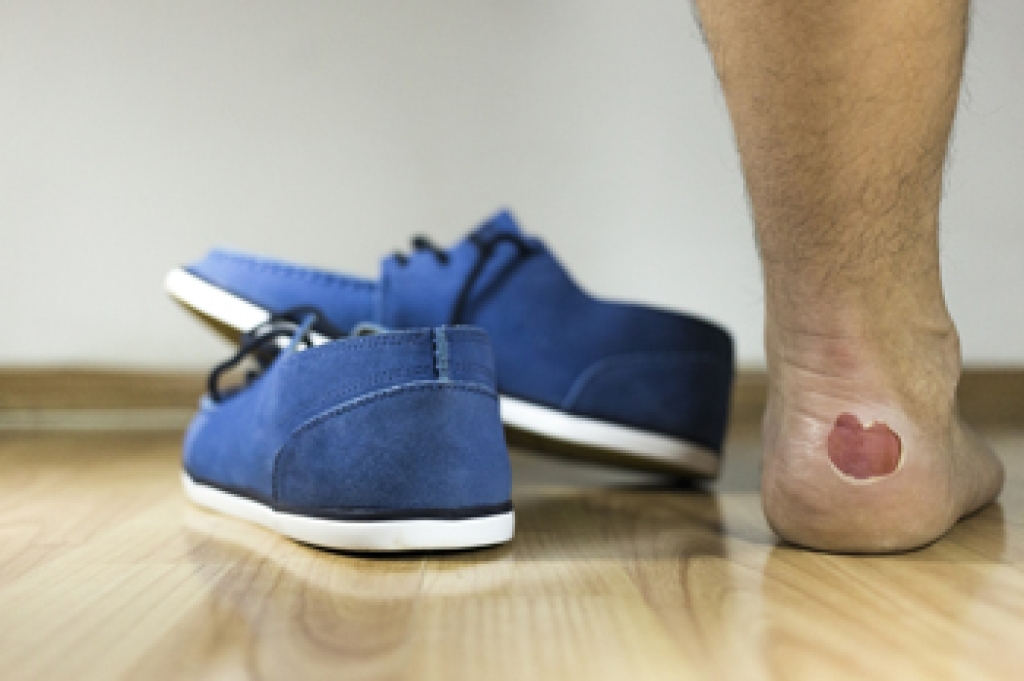
An infected foot blister develops when a fluid filled lesion on the skin becomes contaminated with bacteria, often after friction, pressure, or improper care. Blisters commonly form from wearing tight footwear, prolonged walking, or moisture that irritates the skin. When infection occurs, symptoms may include increased pain, redness, warmth, swelling, foul smell, and the presence of pus. The surrounding skin may feel tender and appear inflamed, making walking uncomfortable. Relief options include keeping the area clean, protected, and properly dressed to reduce further irritation. A podiatrist can evaluate the severity of the infection, provide appropriate treatment to prevent complications. If you have a foot blister that has become infected, it is suggested that you consult a podiatrist who can offer effective treatment and prevention solutions.

Blisters are prone to making everyday activities extremely uncomfortable. If your feet are hurting, contact Shawn Echard, DPM of Laurel Podiatry LLC. Our practitioner can provide the care you need to keep you pain-free and on your feet.

Foot Blisters

Foot blisters develop as a result of constantly wearing tight or ill-fitting footwear. This happens due to the constant rubbing from the shoe, which can often lead to pain.

What Are Foot Blisters?

A foot blister is a small fluid-filled pocket that forms on the upper-most layer of the skin. Blisters are filled with clear fluid and can lead to blood drainage or pus if the area becomes infected.

How Do Blisters Form?

Blisters on the feet are often the result of constant friction of skin and material, usually by shoe rubbing. Walking in sandals, boots, or shoes that don’t fit properly for long periods of time can result in a blister. Having consistent foot moisture and humidity can easily lead to blister formation.

Prevention & Treatment

It is important to properly care for the affected area in order to prevent infection and ease the pain. Do not lance the blister and use a Band-Aid to provide pain relief. Also, be sure to keep your feet dry and wear proper fitting shoes. If you see blood or pus in a blister, seek assistance from a podiatrist.

If you have any questions, please feel free to contact our offices located in Greensburg and Somerset, PA . We offer the newest diagnostic and treatment technologies for all your foot care needs.
Read more about Blisters

Connect With Us